About
About
FEMS Regional COLLAB
FEMS Regional COLLAB TOPICS
| Eco Innovations & Health Horizons |
| Biotechnology |
| Engagement & Growth |
FEMS Regional COLLAB Meeting supported by

Expand your network. Shape new collaborations
Scientists often need partners with complementary expertise to solve complex problems. At this meeting, you will meet exactly those people – and many of them are closer than you think.
FEMS Regional COLLAB is a new type of FEMS meeting in Vienna, 14-15 September 2026, designed to help microbiologists build meaningful, long-lasting collaborations across Central Europe. Coming directly before the ÖGMBT Annual Meeting (a FEBS3+ meeting), it creates the perfect moment to connect with regional peers. FEMS Regional COLLAB focuses on Central Europe and is co-shaped by three FEMS member societies from Austria, Croatia and Slovenia:
Why a regional meeting?
The goal is to connect researchers who live and work near each other, making it easier to start and sustain collaborations, project consortia, and joint funding applications. International guests are very welcome and bring valuable complementary perspectives to the regional network!
Bridging academia, industry, and funders
We see a strong need to connect academic research with application and impact at an early project stage.
This meeting creates structured opportunities for:
- Academic scientists to explore exploitation potential and application routes for microbial solutions with industry partners.
- Industry researchers to meet academic groups, outline real-world challenges, and co-develop research ideas.
- Funding agencies to present schemes and, importantly, listen to academia and industry about emerging needs and future topic calls.
Main objectives
During FEMS Regional COLLAB, we aim to:
- Get to know each other and learn from each other’s expertise.
- Identify opportunities for future joint and cross-border research projects.
- Explore what makes collaborations with industry successful in practice.
What you can expect
This is a regional matchmaking event, designed for scientists from academia, industry and funding stakeholders.
We keep plenary content short and interaction time long.
Participants will:
- Meet peers and like-minded colleagues from neighbouring countries, facing similar scientific and practical challenges, and leave with a concrete list of people you can contact directly.
- Learn from scientists working on the same themes and methodologies you are dealing with in your own projects.
- Experience how dedicated time for networking and discussion helps you grow as a professional and sparks new ideas.
Who should attend?
FEMS Regional COLLAB is ideal for:
- Scientists at all career stages who are curious, collaborative, and eager to build new networks.
- Late-stage PhD students, early postdocs, tenure-track researchers and early PIs who want to:
- form new project consortia
- prepare European or bilateral funding applications
- find complementary expertise in the region
- Company and industry partners who want to engage with academia, present challenges, and co-design solutions and consortia.
- Funding agencies interested in presenting programmes and learning directly from researchers and industry where support is most needed.
Meeting format
We use an engaging, highly interactive format that maximizes participation:
Plenary kick-off – Short scene-setting talks and a panel outlining scientific themes and collaboration opportunities.
Scientific introduction talks – Brief presentations from research groups highlighting groups expertise diversity in key microbiology areas:
- Biotechnology: synthetic biology, metabolic engineering, microbial bioprocesses, enzyme engineering – solving applied problems.
- Eco innovations & Health horizons: circular bioeconomy, waste valorization, sustainable biorefineries, microbiome engineering – addressing environmental challenges, antimicrobial resistance, microbiome therapeutics, viral diagnostics, vaccine platforms – exploring medical frontiers.
Table discussion rounds – Moderated small-group discussions where everyone can contribute, designed to connect people with shared interests.
Poster session & reception – Intensively networked poster session followed by an informal reception to continue conversations.
Dedicated stakeholder rooms – Separate spaces for industry, funding bodies, and publishing to enable focused dialogue, open new perspectives, and broaden horizons.
Open Space Technology – Participant-driven sessions where attendees propose and lead breakout topics, consolidating discussions into concrete action plans with clear next steps.
More detailed information of the session formats can be found on the program overview tab.
Join the ÖGMBT
Become an ÖGMBT-member and take advantage of lower registration fees. Click HERE for information on ÖGMBT membership benefits and subscribe for membership online before registering for the Annual Meeting.
Language
The scientific program of the 18th ÖGMBT Annual Meeting is held in English.
Attendance / Presentation Confirmations:
Can be downloaded in the registration system under "Confirmations" at the end of the meeting.
Warning: Participant contact details scam
You may have rceived an e-mail offering to sell participant contact information. ÖGMBT does not share or sell such information with other organizations.
Organizers
The ÖGMBT Office (Austrian Association of Molecular Life Sciences and Biotechnology) is fully in charge of organizing the Annual Meeting. This guarantees continuity and a high standard of organization.
For any further information or inquiries related to the 18th ÖGMBT Annual Meeting feel free to contact us at This email address is being protected from spambots. You need JavaScript enabled to view it.
Invited Panelists
Plenary & Invited Panelists
Plenary
Katharina Wincor, AT |
Plenary
Christa Schleper, University of Vienna, AT |
Eco Innovations & Health Horizons
Denis Kutnjak, National Institute of Biology, SI
Ines Mandić-Mulec, University of Ljubljana, SI
Ana Bielen, University of Zagreb, HR
Dijana Škorić, University of Zagreb, HR
Maja Rupnik, University of Maribor, SI
Patrick Mekuni-Mester, VetMedUni Vienna, AT
Marina Santic, University of Rijeka, HR |
Biotechnology
Doris Ribitsch, BOKU, AT
Dušica Vujaklija, Ruđer Bošković Institute, HR
Nina Čuljak, University of Zagreb, HR |
Program Overview
Program Overview
For a detailed program description please see below the grid image. Last Update: 26.8.2026

Poster Table
Download the FEMS Regional COLLAB Poster Table (PDF)

Floor Plan
Floorplan
Abstract Book & Program Book
A printed version of the Program book will be provided to all participants during the on-site registration.
Please note that to save paper the full Abstractbook with all abstracts and particpants list is only available online as PDF download for registered participants after login to the registration system.
Program description
Day 1
The meeting will begin with an introduction outlining the unique structure of the FEMS Regional Collab Meeting, followed by a kick-off talk from music conductor Katharina Wincor on the critical role of collaboration in the music industry. The analogies that can be drawn from the music world, are intended to help colleagues respond more directly to one another and make for smooth processes between large groups of collaborators.
ECO INNOVATIONS & HEALTH HORIZONS / BIOTECHNOLOGY SESSIONS (PANELIST TALKS)
These sessions include short presentations by panelists, clustered into two themes: Eco Innovations & Health Horizons, and Biotechnology. These inputs are designed as scientific “appetizers”: each panelist briefly introduces their topic, key challenges, and opportunities for collaboration, aiming to spark ideas rather than provide comprehensive overviews. Together, these talks equip participants with enough context to actively engage in the subsequent workshops.
ECO INNOVATIONS & HEALTH HORIZONS / BIOTECHNOLOGY WORKSHOPS (ROUND TABLE DISCUSSIONS)
Following the panel presentations, the meeting shifts from listening to active participation. Attendees move into workshopstyle sessions organized around the two themes. The goal of this phase is to deepen the discussions initiated in the plenary, identify shared interests, and develop concrete collaboration ideas such as project concepts, joint publications, or network initiatives.
Each theme (Eco Innovations & Health Horizons, Biotechnology) is represented by several tables hosted by the respective panelists. Participants are invited to join the table that best matches their interests and may rotate between tables if desired. In this format, panelists act as conversation anchors rather than traditional speakers.
Workshop Locations:

ECO INNOVATIONS & HEALTH HORIZONS / BIOTECHNOLOGY WRAP-UPS
After the workshops all participants will meet again in the lecture Halls to summarize and share their workshop conclusions.
Day 2
Room of funding
An excellent opportunity for funding agencies to engage with the microbial research community, with a regional focus on Croatia, Slovenia, and Austria. The event is designed to foster tailor-made connections between funders, academic researchers, and industry stakeholders, enabling meaningful exchange and collaboration.
By identifying emerging hot topics and shared priorities, the event will help align future funding strategies with areas of high relevance for both academia and industry. It also aims to strengthen awareness of existing funding programs and facilitate targeted matchmaking between researchers and the most suitable funding opportunities.
- Pitch talks by funding agencies
- Table discussions (participants can freely assign them to the tables and move during the session)
Speakers:
- Jenny Bors (AWS - Austria Wirtschaftsservice GmbH)
- Jörg Schnecker (CDG - Christian Doppler Society)
- Benjamin Missbach & Michael Stampfer (WWTF - Vienna Science and Technology Fund)
- Milan Čanković (HRZZ - Croatian Science Foundation)
- Blanka Mekinda Vidmar (ARIS - Slovenian Research and Innovation Agency)
Room of industry
The room of industry offers a great opportunity for industry stakeholders to connect directly with the regional microbial research community. It provides a platform to build strategic, tailor-made connections with leading academic groups and emerging talents in the region.
By bringing together experts from academia and industry, the meeting highlights current and emerging topics with high innovation potential, enabling companies to identify relevant trends, technologies, and collaboration opportunities. A central focus will be on identifying key challenges that need to be addressed to drive business innovation, fostering discussions on how microbial research can translate into scalable solutions and competitive advantages.
The event also facilitates dialogue on shared challenges and translational pathways, helping to align research directions with industrial needs and accelerate the development of impactful microbial solutions.
- Pitch talks by selected company and industry partners mainly highlighting their main business and one challenge they are facing (related to microbiology)
- Table discussions (participants can freely assign them to the tables and move during the session)
Speakers:
- Hannes Rußmayer (OMV),
- Raphael Gabriel (Novonensis),
- Thomas Völk (Promega),
- Sebastian Blum (Beckman Coulter)
- Luca Coiro (CliniSciences Group)
Room of Communication and Outreach
The Room of Communication and Outreach offers an exchange platform to explore how microbial research can be shared more effectively with diverse audiences, from policymakers and journalists to educators, students, and the wider public. The session will introduce key principles of science communication and outreach, combining theory with practical approaches to help researchers communicate their work clearly, creatively, and impactfully.
Through selected case studies, participants will gain insight into successful science communication and outreach initiatives, highlighting different formats, audiences, and strategies for engagement. The session will also provide an overview of FEMS pathways for science communication, including International Microorganism Day, blogs, social media, podcasts, and webinars, showcasing opportunities for researchers to amplify their work through established communication channels.
By bringing together microbial researchers with media professionals, such as journalists, science writers, and art-and-science communicators, as well as representatives of outreach initiatives, the session will foster meaningful exchange around how microbiology can be made more visible, accessible, and relevant to society. It aims to build tailor-made connections between researchers and communication experts, encouraging new collaborations that strengthen public engagement, support knowledge exchange, and enhance the societal impact of microbial science.
- An Introduction to Science Communication & Outreach (theory and practice)
- Science communication and outreach case studies with panel discussion
- Overview of FEMS pathways for science communication (International Microorganism Day, Blogs, Social Media, Podcasts, & Webinars)
Panelists:
- Joseph Shuttleworth (Marketing & Communications Manager, FEMS (NL)),
- Marko Košiček (Scientific Communication Advisor, Ruđer Bošković Institute (HR))
- Tina Göbel (Journalist, ORF - Österreichischer Rundfunk, (AT))
Open Space Format
The open space format creates a flexible and interactive environment that encourages direct exchange among participants at themed tables. Instead of a fixed agenda, discussions are shaped by the interests and expertise of those present, allowing ideas to emerge organically. This setup fosters equal participation, facilitates networking across disciplines, and enables focused conversations that can quickly evolve into concrete collaboration opportunities.
Detailed Program
Detailed Program
Floor Plan
Floorplan
Abstract Book & Program Book
A printed version of the Program book will be provided to all participants during the on-site registration.
Please note that to save paper the full Abstractbook with all abstracts and particpants list is only available online as PDF download for registered participants after login to the registration system.
Monday, September 14th, 2026
|
| 12:00 - 13:30 |
Registration FEMS
|
Foyer |
| 13:30 - 13:50 |
FEMS Regional COLLAB Opening
Moderation: Matthias Steiger (TU Wien, AT)
Welcome words by Michael Sauer (ÖGMBT President)
|
HS2 |
| 13:50 - 14:30 |
FEMS Regional COLLAB Plenary
Chair: Matthias Steiger (TU Wien, AT)
|
HS2 |
| |
Katharina Wincor (AT) 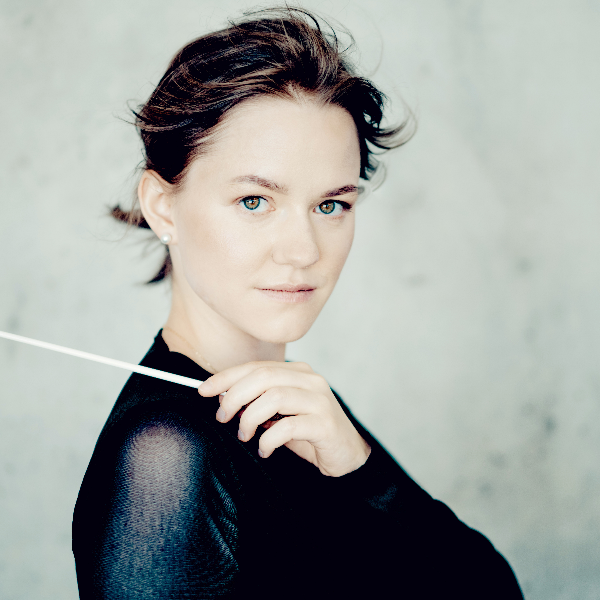
Orchestras and their hierarchical structures
|
|
| 14:30 - 15:30 |
Eco Innovations & Health Horizons
Chairs: Dijana Skoric (University of Zagreb Faculty of Science, HR),
Urska Jamnikar Ciglenecki (University of Ljubljana Veterinary faculty, SI)
|
HS1 |
| |
Denis Kutnjak (National Instiute of Biology, SI) 
Environmental virology, viral ecology and diagnostic innovation
|
|
| |
Patrick Mikuni-Mester (Vetmeduni Vienna, AT) 
Bacterial dormancy and new ionic-liquid based biocides
|
|
| |
Maja Rupnik (National laboratory for health, environment and food, SI) 
From Clostridioides difficile to microbiota and AMR genomic surveillance
|
|
| |
Marina Santic (Faculty of Medicine, University of Rijeka, HR) 
Restoring Balance: Gut Microbiome Dysbiosis in Disease and Therapy
|
|
| |
Dijana Skoric (University of Zagreb Faculty of Science, HR) 
Plant virosphere – multifaceted research influencing agroecosystems and enriching biosphere knowledge
|
|
| |
Ana Bielen (University of Zagreb Faculty of Food Technology and Biotechnology, HR) 
Environmental Drivers of Freshwater Oomycete Disease Dynamics
|
|
| |
Ines Mandic Mulec (University of Ljubljana, SI) 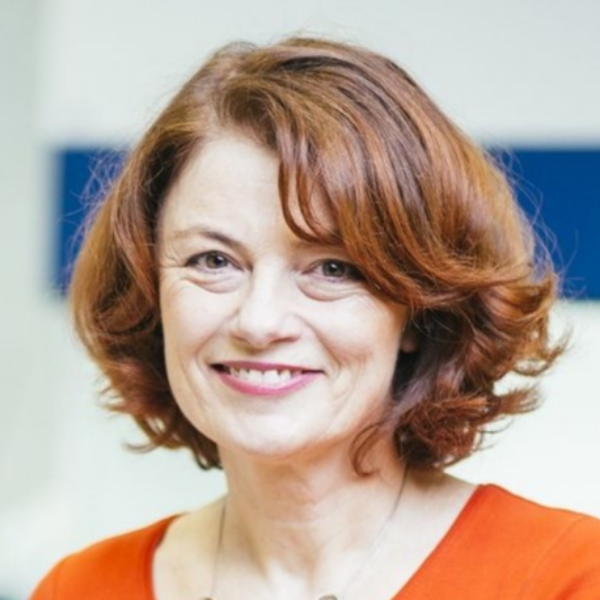
Understanding microbial interactions to design better animal and plant probiotics
|
|
| |
Cintia Mayr (AIT Austrian Institute of Technology, AT)
Practical and ethical considerations in environmental microbiome applications for climate resilient agriculture
|
|
| |
Paul Cos (University of Antwerp, BE)
Respiratory bacterial infections: from innovative therapeutic strategies to advanced infection models
|
|
| |
Spase Stojanov (Medical University of Graz, AT)
Magnetic nanoparticles as delivery system for vaginal probiotics
|
|
| 14:30 - 15:30 |
Biotechnology
Chair: Matthias Steiger (TU Wien, AT)
|
HS2 |
| |
Doris Ribitsch (BOKU University, Vienna, AT) 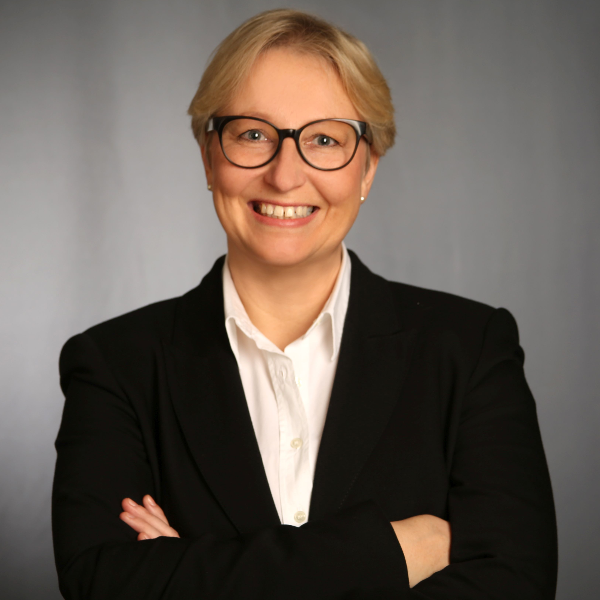
Enzyme Discovery and Engineering for Sustainable Polymer Degradation
|
|
| |
Dušica Vujaklija (Ruđer Bošković Institute, HR) 
From integrated research of microbial biopotential to medical and biotechnological innovations
|
|
| |
Nina Čuljak (University of Zagreb Faculty of Food Technology and Biotechnology, HR) 
Unlocking the potential of microbial cultures for sustainable applications in food, biotechnology, biomedicine, and the circular economy
|
|
| |
Martina Seruga Music (Faculty of Science, University of Zagreb, HR)
Towards the understanding of molecular epidemiology, mechanisms of pathogenicity, adaptation, virulence factors and resistance of a succesfull pathogen
|
|
| |
Christian Zimmermann (TU Wien, AT)
Understanding and engineering fungal gene tegulation for natural product discovery and production
|
|
| |
Hans Marx (TU Wien, AT)
Bioengineering GRAS compliant Microbial Cell Factories for Sustainable Production of Biofuels and Platform Chemicals
|
|
| |
Adéla Schandl (TU Wien, AT)
Adaptive laboratory evolution and genomic analysis of filamentous fungi
|
|
| |
Anna Atanasoff-Kardjalieff (BOKU University, AT)
Chromatin architecture as a driver of fungal natural product biosynthesis
|
|
| |
Regina Kratzer (TU Graz, AT)
Integrated gas fermentation: from microbial CO₂ utilization to bioprocess development
|
|
| |
Güler Demirbas Uzel (TU Wien, AT)
Aptamer-Based RNA Biosensing and ncRNA Regulation in Aspergillus niger
|
|
| 15:30 - 16:00 |
Posters & Coffee Break
View poster table PDF
|
Foyer |
| 16:00 - 17:30 |
Eco Innovations & Health Horizons Workshop
For further information regarding the panelist tables and rooms see table below
|
Seminar Rooms |
| 16:00 - 17:30 |
Biotechnology Workshop
For further information regarding the panelist tables and rooms see table below
|
Seminar Rooms |
| 17:30 - 18:00 |
Eco Innovations & Health Horizons Wrap-Up
|
HS1 |
| 17:30 - 18:00 |
Biotechnology Wrap-Up
|
HS2 |
| 18:00 - 20:00 |
Mixer
|
Outdoor Courtyard |
FEMS Workshop Locations
Tuesday, September 15th, 2026
| 08:30 - 08:45 |
Welcome Back
|
HS2 |
| 08:45 - 10:00 |
Room of Industry
Chairs: Matthias Steiger (TU Wien, AT), Güler Demirbas Uzel (TU Wien, AT)
Speakers: Hannes Rußmayer (OMV),
Raphael Gabriel (Novonensis),
Thomas Völk (Promega),
Sebastian Blum (Beckman Coulter),
Luca Coiro (CliniSciences Group)
|
SR1.5 |
| 08:45 - 10:00 |
Room of Funding
Chairs: Marina Santic (Faculty of Medicine, University of Rijeka, HR), Maja Rupnik (National laboratory for health, environment and food, SI)
Speakers: Jenny Bors (AWS),
Jörg Schnecker (CDG),
Benjamin Missbach (WWTF),
Thomas Palfinger & Bettina Lengger (LBG - Ludwig Boltzmann Gesellschaft),
Milan Čanković (HRZZ - Croatian Science Foundation),
Blanka Mekinda Vidmar (ARIS - Slovenian Research and Innovation Agency)
|
SR2.1 |
| 08:45 - 10:00 |
Room of Communication and Outreach
Speakers: Joseph Shuttleworth (Marketing & Communications Manager, FEMS (NL)),
Marko Košiček (Scientific Communication Advisor, Ruđer Bošković Institute (HR)),
Tina Göbel (Journalist, ORF - Österreichischer Rundfunk, (AT))
|
HS2 |
| 10:00 - 10:45 |
Posters & Coffee Break
View poster table PDF
|
Foyer 1. Floor |
| 10:45 - 12:00 |
Room of Industry
Chairs: Matthias Steiger (TU Wien, AT), Güler Demirbas Uzel (TU Wien, AT)
Speakers: Hannes Rußmayer (OMV),
Raphael Gabriel (Novonensis),
Thomas Völk (Promega),
Sebastian Blum (Beckman Coulter),
Luca Coiro (CliniSciences Group)
|
SR1.5 |
| 10:45 - 12:00 |
Room of Funding
Chairs: Marina Santic (Faculty of Medicine, University of Rijeka, HR), Maja Rupnik (National laboratory for health, environment and food, SI)
Speakers: Jenny Bors (AWS),
Jörg Schnecker (CDG),
Michael Stampfer (WWTF),
Thomas Palfinger & Bettina Lengger (LBG - Ludwig Boltzmann Gesellschaft),
Milan Čanković (HRZZ - Croatian Science Foundation),
Blanka Mekinda Vidmar (ARIS - Slovenian Research and Innovation Agency)
|
SR2.1 |
| 10:45 - 12:00 |
Room of Communication and Outreach
Speakers: Joseph Shuttleworth (Marketing & Communications Manager, FEMS (NL)),
Marko Košiček (Scientific Communication Advisor, Ruđer Bošković Institute (HR)),
Tina Göbel (Journalist, ORF - Österreichischer Rundfunk, (AT))
|
HS2 |
| 12:00 - 12:15 |
Wrap-Up
|
HS2 |
| 12:15 - 13:00 |
Lunch
|
Foyer |
| 13:00 - 13:20 |
FEBS3+ Opening
Moderation: Felix Sternberg (University of Vienna, AT)
Welcome words by Michael Sauer (ÖGMBT President)
|
HS1 |
| 13:20 - 14:00 |
Plenary 1
Chairs: Michael Sauer (OMV AG, AT), Felix Sternberg (University of Vienna, AT)
|
HS1 |
| |
Christa Schleper (University of Vienna, AT) 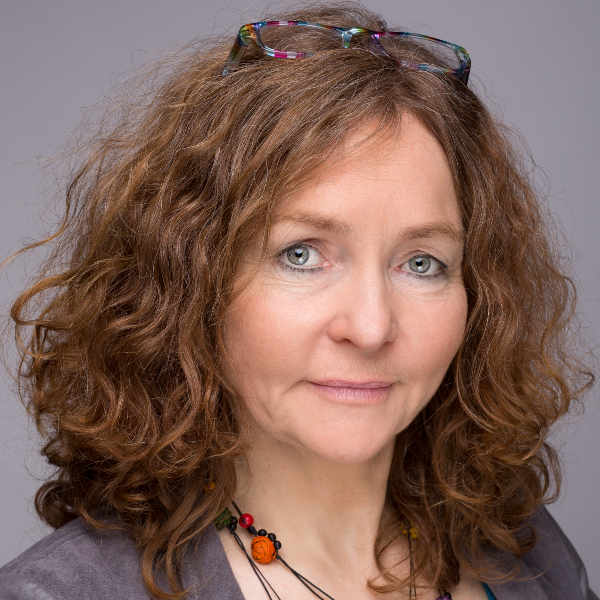
Walking with Our Ancestors: Motile Asgard Archaea and the Origins of Complex Life
|
|
| 14:00 - 14:15 |
Science Flashes 1
Chair: TBA
|
HS1 |
| |
Johannes Theodoor Zwerus (TU Wien, AT)
High-Throughput Analysis of Oxygen Stress Responses in Aspergillus niger During Citric Acid Fermentation
|
|
| |
Victoria Stefan (University Hospital of the PMU Salzburg, Department of Pediatrics, AT)
A ketogenic diet synergizes with neuroblastoma immunotherapy in mice by modulating the tumor microenvironment
|
|
| |
Filip Kapral (University of Chemistry and Technology, Prague, CZ)
Atlas of amino acid roles in human proteins
|
|
| |
Anna Santa (Pázmány Péter Catholic University, HU)
Redistribution of sidechain-sidechain interactions govern ligand-specific binding affinity changes in missense Shank1 PDZ variants
|
|
| |
Oscar Fabian García-Aponte (BOKU, AT)
Non-Destructive Profiling of MSC-Derived Cartilage Metabolism via Continuous Culture and Microperfusion Sampling
|
|
| |
Lara Biezunski (Ludwig Boltzmann Gesellschaft, Institut f. Traumatologie, AT)
Metabolic engineering for extracellular vesicle surface functionalization
|
|
| 14:15 - 14:45 |
Coffee Break
|
Foyer |
| 14:45 - 17:45 |
FEMS Open Space
|
SR1.5 |
| 17:15 - 17:45 |
Coffee Break
|
Foyer |
| 17:45 - 18:20 |
Life Sciences Awards Austria 2026
Moderator: Michael Sauer (ÖGMBT President)
|
HS1 |
 |
Life Sciences Awards 2026 Ceremony
Opening words by Thomas Saghi (BMWET, AT)
|
|
 |
Life Sciences PhD Award Austria 2026 – Basic Science
Spencer Balay (Ludwig Maximilians University Munich, DE) 
A global screen for magnetically induced neuronal activity in the pigeon brain.
|
|
 |
Life Sciences PhD Award Austria 2026 – Applied Research
Trinh Phan-Canh (Beth Israel Deaconess Medical Center, Harvard Medical School, US) 
Candida auris skin tropism and antifungal resistance are mediated by carbonic anhydrase Nce103
|
|
| 18:20 - 19:00 |
Rising Star Lectures
Chair: Joachim Seipelt (Nuvonis Technologies, AT)
|
HS1 |
|
Life Sciences Research Award Austria 2026 – Basic Science
Utku Horzum (Medical University of Innsbruck, AT) 
Targeting endoplasmic reticulum export disrupts metabolic resilience in multiple myeloma
|
|
|
Life Sciences Research Award Austria 2026 – Applied Research
Julia Bubis (Research Institute of Molecular Pathology, AT) 
Challenging the Astral mass analyzer to quantify up to 5,300 proteins per single cell at unseen accuracy to uncover cellular heterogeneity
|
|
|
Life Sciences Research Award Austria 2026 – Excellence & Societal Impact
Sebastian Hecko (TU Wien, AT) 
Iontronic delivery of molecular scissors for on-demand drug release
|
|
| 19:00 - 22:00 |
Wine & Science
|
Foyer |
Maja Rupnik, National laboratory for health, environment and food, SI
Prof. Maja Rupnik is microbiologist with research focus on anaerobic bacterium Clostridioides difficile, human microbiota and One Health aspects of microbiology. Her group is affiliated with two institutions: National laboratory for Health, environment and food and University of Maribor, Faculty of Medicine.
She was the president of Slovenian microbiological Society from 2016 to 2020. Since 2023 she is Editor-in-Chief of Anaerobe journal. She is also the president of International C. difficile symposium (ICDS) which since 2004 brings together large community of researchers, clinicians and industry partners.
Dijana Skoric, University of Zagreb Faculty of Science, HR
Dijana Škorić (ORCID 0000-0002-1625-1598) obtained BSc in Molecular Biology from the Faculty of Science, University of Zagreb in 1992, MSc in 1996 and a PhD in 2000. She is a full professor at the Dept. of Biology, Faculty of Science, University of Zagreb, where she teaches at all study levels. Her scientific interests are: molecular diversity and epidemiology of viruses and subviral pathogens, especially plant viruses and viroids. She was a visiting researcher at the Dipartimento di Patologia Vegetale, Univ. di Bari, Fulbright scholar at the Dept. of Plant Pathology, Univ. of California-Riverside, EMBO short-term fellow, and later a TEMPUS scholar, at the Dpt. di Patologia Vegetale, Univ. di Bologna. She was a PI of a project financed by the Croatian Science Foundation, participated in EU projects (FP6 SEE-ERA.NET, Horizon 2020, four COST Actions). She led a Croatian Microbiological Society (CMS) service learning project financed by the European Social Fund and introduced “Service learning in biology” course to the Dept. of Biology study curriculum. D. Škorić was the president of the scientific and/or organization committees of several international conferences (European Meeting on Plum Pox 2007, 5th Congress of the CMS with International Participation 2012, Power of Viruses 2018). She represented CMS at FEMS, IUMS, and still does at the International Committee on Taxonomy of Viruses (ICTV). She is a current CMS president. Her papers and book chapters are listed at: https://www.croris.hr/crosbi/searchByContext/2/6096 and https://scholar.google.hr/citations?user=FffIRPwAAAAJ&hl=en
Marina Santic, Faculty of Medicine, University of Rijeka, HR
Professor Marina Santic is Head of the Department of Microbiology and Parasitology at the Faculty of Medicine, University of Rijeka, and Vice Rector for Science and Arts at the University of Rijeka, Croatia.
Her research focuses on the pathogenesis of infectious diseases, host–pathogen interactions, microbiota dynamics, and microbiome-based therapies, with particular expertise in fecal microbiota transplantation (FMT). Her work aims to elucidate the molecular mechanisms underlying disease development and the role of the microbiota in health, immunity, and disease.
Professor Santic has mentored more than ten PhD students and numerous early-career researchers. She has served as Principal Investigator and collaborator on multiple national and international research projects, establishing extensive scientific collaborations worldwide.
She has published extensively in high-impact international journals and has received numerous awards and recognitions for her scientific achievements and contributions to research and higher education. Through her research, mentorship, and academic leadership, she continues to advance the fields of microbiology, infectious diseases, and microbiome science.
At the OGMBT meeting, she brings expertise in disease pathogenesis, microbiota research, and fecal microbiota transplantation, contributing to discussions on innovative microbiome-based therapeutic approaches.
Maja Rupnik, National laboratory for health, environment and food, SI
Prof. Maja Rupnik is microbiologist with research focus on anaerobic bacterium Clostridioides difficile, human microbiota and One Health aspects of microbiology. Her group is affiliated with two institutions: National laboratory for Health, environment and food and University of Maribor, Faculty of Medicine.
She was the president of Slovenian microbiological Society from 2016 to 2020. Since 2023 she is Editor-in-Chief of Anaerobe journal. She is also the president of International C. difficile symposium (ICDS) which since 2004 brings together large community of researchers, clinicians and industry partners.
Dijana Skoric, University of Zagreb Faculty of Science, HR
Dijana Škorić (ORCID 0000-0002-1625-1598) obtained BSc in Molecular Biology from the Faculty of Science, University of Zagreb in 1992, MSc in 1996 and a PhD in 2000. She is a full professor at the Dept. of Biology, Faculty of Science, University of Zagreb, where she teaches at all study levels. Her scientific interests are: molecular diversity and epidemiology of viruses and subviral pathogens, especially plant viruses and viroids. She was a visiting researcher at the Dipartimento di Patologia Vegetale, Univ. di Bari, Fulbright scholar at the Dept. of Plant Pathology, Univ. of California-Riverside, EMBO short-term fellow, and later a TEMPUS scholar, at the Dpt. di Patologia Vegetale, Univ. di Bologna. She was a PI of a project financed by the Croatian Science Foundation, participated in EU projects (FP6 SEE-ERA.NET, Horizon 2020, four COST Actions). She led a Croatian Microbiological Society (CMS) service learning project financed by the European Social Fund and introduced “Service learning in biology” course to the Dept. of Biology study curriculum. D. Škorić was the president of the scientific and/or organization committees of several international conferences (European Meeting on Plum Pox 2007, 5th Congress of the CMS with International Participation 2012, Power of Viruses 2018). She represented CMS at FEMS, IUMS, and still does at the International Committee on Taxonomy of Viruses (ICTV). She is a current CMS president. Her papers and book chapters are listed at: https://www.croris.hr/crosbi/searchByContext/2/6096 and https://scholar.google.hr/citations?user=FffIRPwAAAAJ&hl=en
Marina Santic, Faculty of Medicine, University of Rijeka, HR
Professor Marina Santic is Head of the Department of Microbiology and Parasitology at the Faculty of Medicine, University of Rijeka, and Vice Rector for Science and Arts at the University of Rijeka, Croatia.
Her research focuses on the pathogenesis of infectious diseases, host–pathogen interactions, microbiota dynamics, and microbiome-based therapies, with particular expertise in fecal microbiota transplantation (FMT). Her work aims to elucidate the molecular mechanisms underlying disease development and the role of the microbiota in health, immunity, and disease.
Professor Santic has mentored more than ten PhD students and numerous early-career researchers. She has served as Principal Investigator and collaborator on multiple national and international research projects, establishing extensive scientific collaborations worldwide.
She has published extensively in high-impact international journals and has received numerous awards and recognitions for her scientific achievements and contributions to research and higher education. Through her research, mentorship, and academic leadership, she continues to advance the fields of microbiology, infectious diseases, and microbiome science.
At the OGMBT meeting, she brings expertise in disease pathogenesis, microbiota research, and fecal microbiota transplantation, contributing to discussions on innovative microbiome-based therapeutic approaches.
Christa Schleper, University of Vienna, AT
Christa Schleper is professor of Microbiology and Genetics at the University of Vienna since 2007. She has studied Biology in Germany, was postdoc in California, assistant professor in Darmstadt, Germany, and full professor at the University of Bergen, Norway, before she came to Vienna. Her research interests focus on the ecology and evolution of different groups of archaea, in particular she studies currently the role of the widespread group of amonia oxidizing archaea in the global nitrogen cycle and the biology of the recently discovered Asgard archaea from shallow marine sediments. Schleper is a member of the American Academy of Microbiology, the EMBO society and the Austrian and European Academies of Sciences. She received the Austrian Wittgenstein price for her research in 2022.
David S. Fischer, Medical University of Vienna, AT
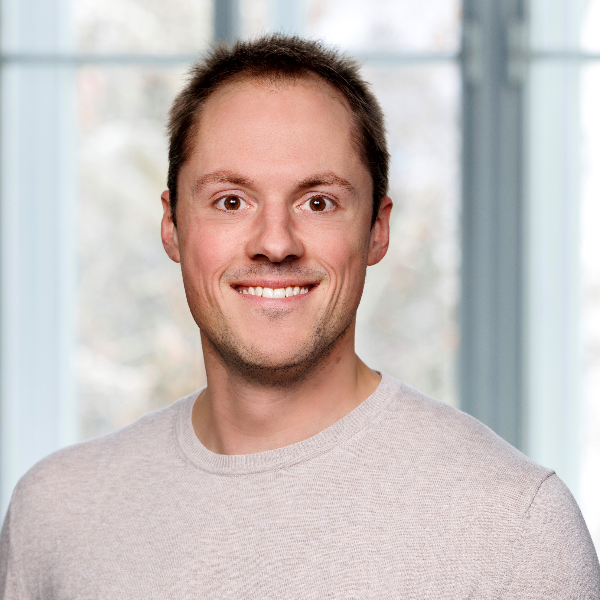
David trained in Biochemistry at the University of Cambridge and Computational Biology at ETH Zurich before beginning his work on machine learning methods for omics data in Nir Yosef's lab at UC Berkeley. He continued this research during his PhD with Fabian Theis at TU Munich, where he developed machine learning models for single-cell and spatial omics data. In 2022, he joined the Eric and Wendy Schmidt Center and the lab of Alex Shalek as a Postdoctoral Fellow at the Broad Institute of Harvard and MIT, focusing on incorporating prior knowledge into machine learning models of omics data. Since 2024, David has been an Assistant Professor at the Institute of AI of the Medical University of Vienna in Austria, where he works at the intersection of AI and systems biology.
Heike Rampelt, University of Freiburg, DE
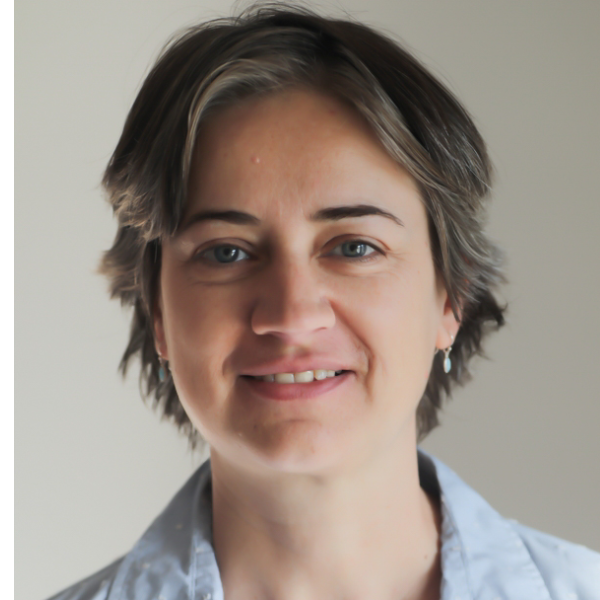
Heike Rampelt is a group leader at the Institute of Biochemistry and Molecular Biology of the University of Freiburg, Germany.
Her group investigates the functional organization of the mitochondrial inner membrane, in particular the functions and crosstalk of proteins and phospholipids that give rise to the complex architecture, functional asymmetry and dynamics of the mitochondrial inner membrane.
Carlos Julio Peniche Silva, MERLN/Maastricht University, NL
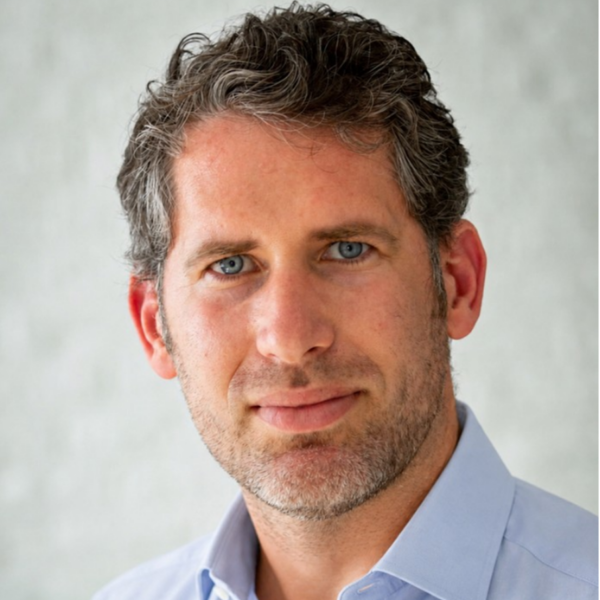
Dr. Carlos J. Peniche Silva is a postdoctoral researcher at the MERLN Institute for Technology-Inspired Regenerative Medicine, Maastricht University, the Netherlands. He obtained a Licentiate degree in Biochemistry and Molecular Biology from the University of Havana, Cuba, in 2014 and subsequently worked on in situ drug delivery systems at the Center of Biomaterials of the same university. In 2017, he received a DAAD scholarship to conduct research on dendriplex-based therapeutics for bone tissue engineering at the Technical University of Munich, Germany.
He joined Maastricht University in 2019 as a PhD candidate and obtained his PhD in 2024 with the Thesis work “Advancing tendon-to-bone enthesis tissue engineering, from biomimetic constructs to microRNA modulation”. As a recipient of the Kootstra Talent Fellowship for Postdocs, his current research investigates the role of microRNAs in tendon mechanobiology and regeneration.
Dr. Peniche Silva has received several competitive awards and grants, including the ON Kick Starter Grant 2020, the ESCI Mobility Grant 2022, the ON/EORS Education Grant 2023, the TENET COST Action Short-Term Scientific Mission Grant 2024, the ON/TERMIS Education Grant 2026, and the TERMIS EU PhD Award 2026.
Judith Frydman, Stanford University, US
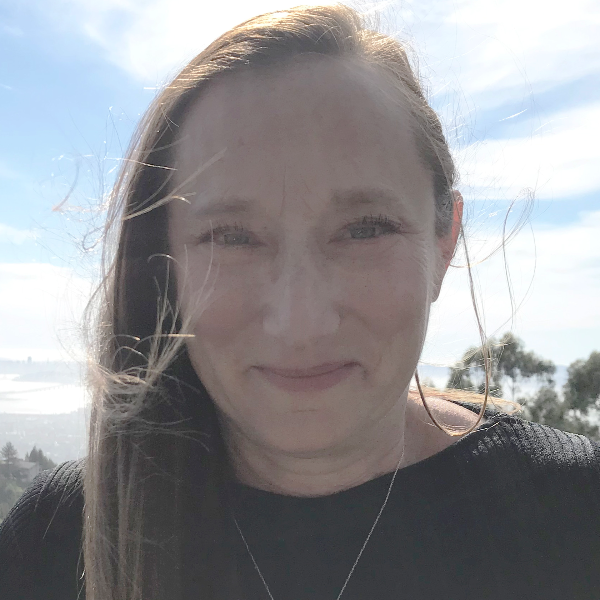
Biosketch: Judith Frydman grew up in Buenos Aires, Argentina, where she majored in Chemistry and received her PhD in Biochemistry from the University of Buenos Aires. The central theme of Dr. Frydman’s research is to understand how cells maintain a healthy and functional proteome by focusing on biological mechanisms controlling cellular protein folding, aggregation and quality control. Major contributions to the field of cellular protein folding include the discovery and characterization of ring-shaped chaperonin TRiC/CCT and establishing that protein folding in in eukaryotic cells occurs cotranslationally as polypeptides emerge from ribosomes during their biosynthesis. IFrydman's work showed distinct molecular chaperones are specifically recruited to bind ribosome-nascent chain complexes to assist cotranslational folding. These fundamental discoveries have shaped current thinking of protein folding in vivo. She is currently the Donald Kennedy Chair in Humanities and Sciences at Stanford University and a professor in the Departments of Biology and Genetics. She is an elected member of the National Academy of Sciences and of the American Academy of Arts and Sciences.
Cleo Bishop, Queen Mary University of London, UK, GB
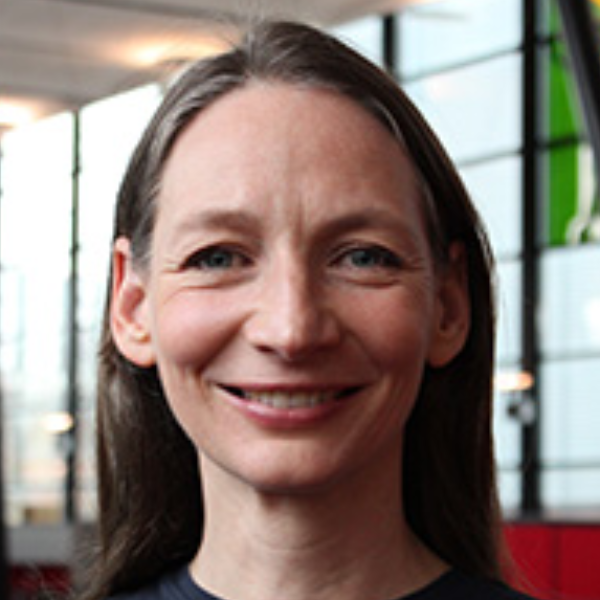
Cleo received her PhD in Biological Sciences from University College London. She was then awarded a MRC Career Development Fellow at the MRC Clinical Sciences Centre, Imperial College London. During this time, she developed a keen interest in senescence.
In 2006, she moved to the Blizard Institute at Queen Mary University of London to pursue her interest in senescence, spending four years in the laboratory of Prof. David Beach (FRS). Cleo established her own independent lab in 2010 and her team explore the role of senescence in ageing and cancer.
Senescence is one of the nine hallmarks of ageing and targeting cellular senescence represents an exciting strategy for promoting healthy ageing. Our ageing team are interested in:
- understanding the fundamental mechanisms that underpin this complex and often context dependent cellular programme;
- finding novel routes to cellular rejuvenation;
- exploring how senescence underpins ageing phenotypes; and
- discovering novel senostatic and senolytic approaches for healthy ageing.
Beyond the lab, Cleo is the Academic lead for our MB PhD programme which helps train future leaders in clinical research, and she chairs the Institute's working group on Bullying and Harassment. She is President of the International Cell Senescence Association, a global community of researchers united in advancing our understanding of the roles that senescence plays in health, ageing and disease. She is also the Scientific Co-ordinator for the EU COST Action Senescence2030, a network of experts to advance our understanding of senescence.
Ajasja Ljubetič, National Institute of Chemistry, SI
Dr. Ajasja Ljubetič is a Research Assistant Professor and group leader at the Department of Synthetic Biology and Immunology at the National Institute of Chemistry, Slovenia.
His research focuses on designing dynamic proteins and molecular machines by combining the Rosetta platform with state-of-the-art deep learning approaches. His team is developing a pipeline for de novo protein design (https://github.com/ajasja/prosculpt) with the aim to make protein design easier for noncomputational scientists. Dr. Ljubetič was awarded a Marie Skłodowska-Curie Global Fellowship to train in protein design in the laboratory of Nobel laureate prof. David Baker. He is currently the recipient of an ERC Consolidator Grant for the project PROPEL, which aims to engineer protein-based molecular machines. More information about his research is available at https://ljubetic-lab.si/.
Ajasja Ljubetič, National Institute of Chemistry, SI
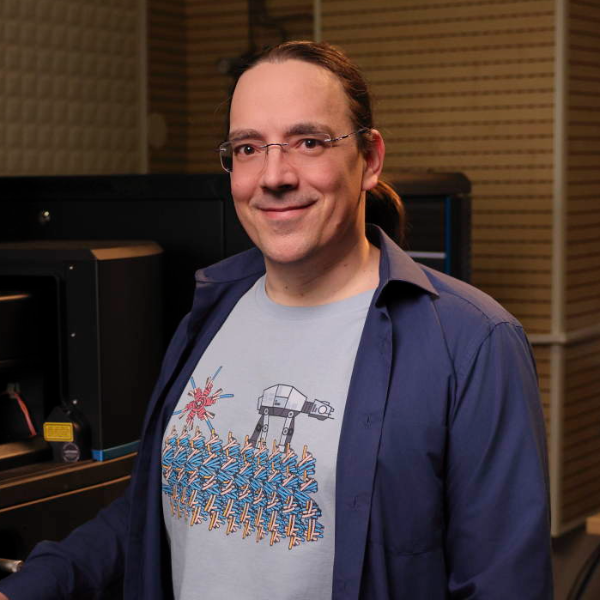
Dr. Ajasja Ljubetič is a Research Assistant Professor and group leader at the Department of Synthetic Biology and Immunology at the National Institute of Chemistry, Slovenia.
His research focuses on designing dynamic proteins and molecular machines by combining the Rosetta platform with state-of-the-art deep learning approaches. His team is developing a pipeline for de novo protein design (https://github.com/ajasja/prosculpt) with the aim to make protein design easier for noncomputational scientists. Dr. Ljubetič was awarded a Marie Skłodowska-Curie Global Fellowship to train in protein design in the laboratory of Nobel laureate prof. David Baker. He is currently the recipient of an ERC Consolidator Grant for the project PROPEL, which aims to engineer protein-based molecular machines. More information about his research is available at https://ljubetic-lab.si/.
Nico Lachmann, Hannover Medical School, DE
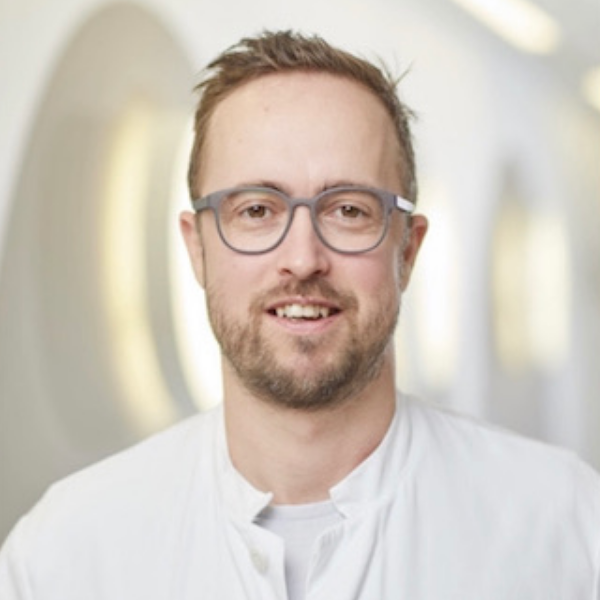
Nico Lachmann is Professor at Hannover Medical School and leads a translational research group focused on human stem cell technologies, macrophage biology and immune-cell manufacturing. He is also affiliated with the Fraunhofer ITEM, where his work connects advanced cell-production technologies with biomedical research, safety assessment and therapeutic development. His scientific training included research experience at Yale University, followed by postdoctoral work at Hannover Medical School and Cincinnati Children’s Hospital Medical Center. He subsequently established an interdisciplinary research programme at the interface of pluripotent stem cells, hematopoiesis, innate immunity and regenerative medicine. A major focus of his work is the development of scalable and standardized processes for generating human immune cells from induced pluripotent stem cells. His group has established hematopoietic organoid systems that function as renewable production units for macrophages and other immune-cell populations, enabling continuous cell harvesting and providing a basis for decentralized and potentially off-the-shelf manufacturing. His research spans immune-cell therapies, disease modelling, organoid technologies, inhalation toxicology and the engineering of immune cells with defined therapeutic functions. Particular emphasis is placed on translating fundamental knowledge of human hematopoietic development into robust biotechnological manufacturing platforms and clinically relevant cell products. His work has been supported by national and European funding programmes, including three ERC grants.
Florian Grebien, University of Veterinary Medicine Vienna, AT
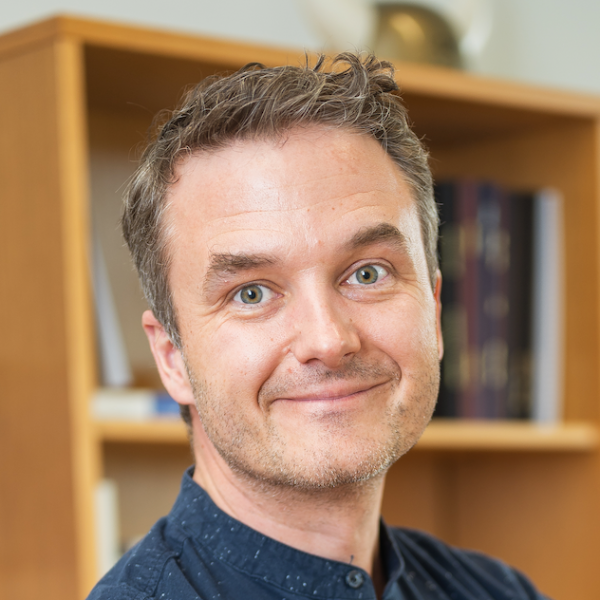
Florian Grebien is the Professor of Medical Biochemistry at the University of Veterinary Medicine in Vienna. His research focuses on the molecular mechanisms of leukemia development and progression to identify novel entry points for targeted treatments. Using novel tools and approaches, including transcriptomics, proteomics, functional genomics, and high-resolution imaging, his team studies the cellular and molecular effects of cancer-associated oncoproteins as well as molecular mechanisms that modulate the susceptibility of leukemia cells to anticancer drugs. Florian obtained his PhD from the Medical University of Vienna under the joint supervision of Ernst Müllner (Medical University of Vienna) and Hartmut Beug (Research Institute for Molecular Pathology). During his PhD work, he studied the role of signaling pathways on erythrocyte differentiation. For his postdoctoral training, he joined the team of Giulio Superti-Furga at CeMM. Using a combination of cell biology, protein biochemistry, and chemical biology, he identified molecular mechanisms that underlie oncoprotein-driven leukemia. From 2014 to 2018, Florian Grebien was principal investigator and group leader at the Ludwig Boltzmann Institute for Cancer Research (LBI-CR) in Vienna, supported by an ERC Starting Grant. In January 2018, he was appointed professor and head of the Institute for Medical Biochemistry at the University of Veterinary Medicine in Vienna. In February 2023, Florian Grebien joined the St. Anna Children’s Cancer Research Institute (CCRI) as principal investigator and CeMM in October 2023 as adjunct PI.
Daniel Volke, Technical University of Denmark, DK
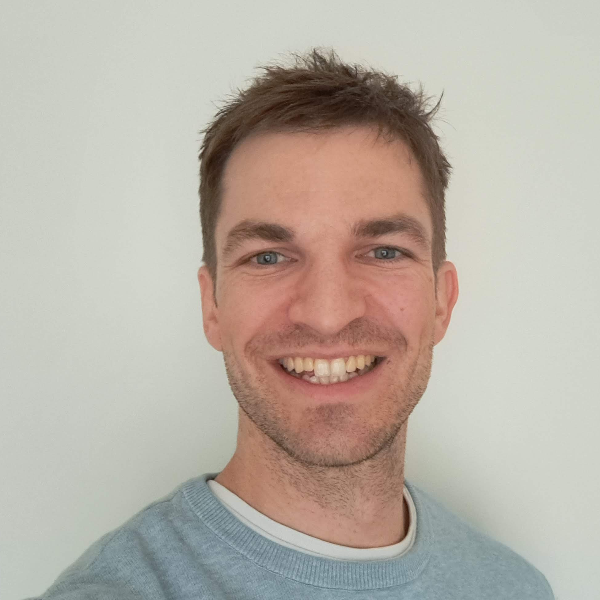
Daniel Volke is a Senior Researcher and Co-PI at the Center for Biosustainability since 2023. From 2021 to 2023, he completed a tenure-track at the Technical University of Denmark. His work focuses on genome and metabolic engineering tool development in environmental bacteria as well as on enzymatic activity screening through growth-coupled assays and prototyping in cell free transcription and translation reaction. He uses these tools to develop efficient cell factories and to analyze the native metabolism in soil bacteria. He has authored more than 45 publications (H-index: 22). He worked at the Fraunhofer Institute for Molecular Biology and Applied Ecology IME, where he investigated terpenoid synthesis in E. coli for industrial applications in collaboration with the Max Planck Institute for chemical ecology (ICE). He received his PhD from RWTH Aachen University in 2017. The main topic of the thesis was isotopic non-stationary flux analysis of a secondary metabolic pathway.
Gregory Vladimer, Graph Therapeutics, AT
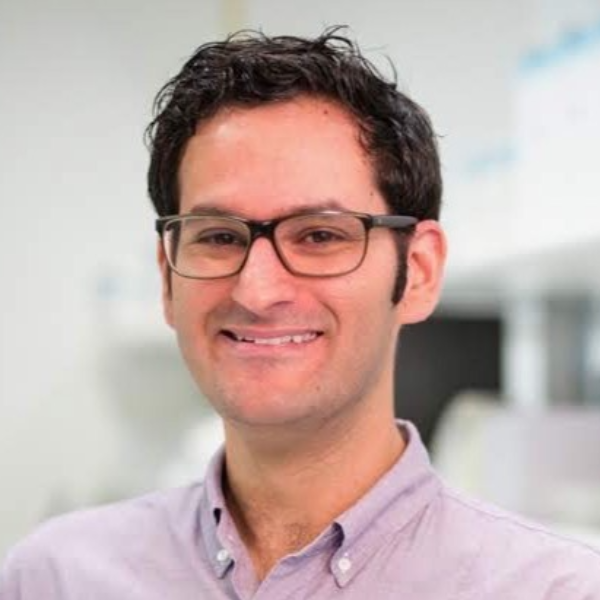
Gregory Vladimer, PhD, is Co-Founder and CEO of Graph Therapeutics, a Vienna-based techbio company applying multimodal perturbation modeling to inflammation and immunology drug discovery and development.
He earned his PhD in innate immunity from the University of Massachusetts Medical School and was a senior postdoctoral fellow in the lab of Giulio Superti-Furga at CeMM, the Center for Molecular Medicine of the Austrian Academy of Sciences. He was Scientific Co-Founder and CSO of Allcyte, a CeMM spin-off, and subsequently VP of Translational Research at Exscientia. He co-founded Graph Therapeutics in 2024.
Omry Koren, Bar-Ilan University, IL
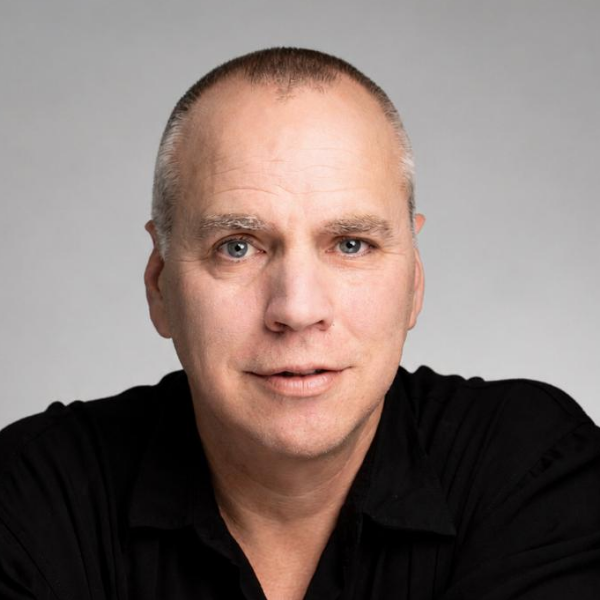
Prof. Omry Koren is a Full Professor at the Azrieli Faculty of Medicine, Bar-Ilan University. A leading expert in the human microbiome, his research focuses on the complex interactions between microbiota and the host endocrine system, behavior, and development in both health and disease. He earned his PhD and MSc in Molecular Microbiology and Biotechnology from Tel-Aviv University and completed postdoctoral training at Cornell University. Prof. Koren is a highly influential figure in his field, having been recognized as one of the world's most highly cited researchers (top 1%) annually since 2018. He has secured prestigious funding, including an ERC Consolidator Grant for his work on the microbiome and aggression, and currently serves as the Editor-in-Chief of NPJ Biofilms and Microbiomes.
Guido Kroemer, Université Paris Cité, FR
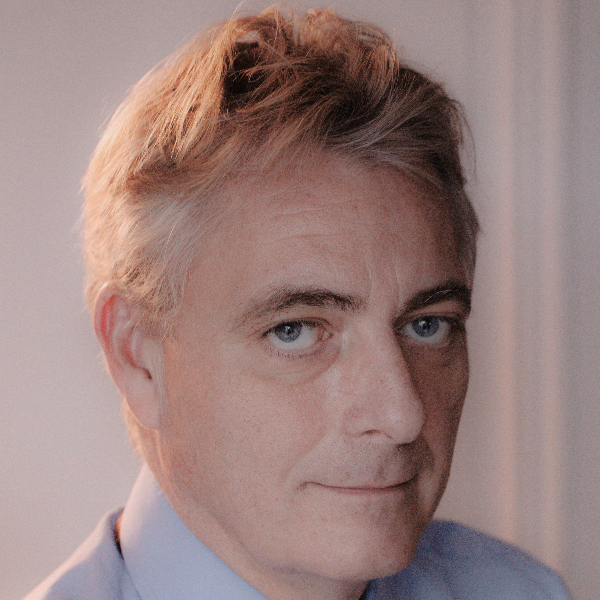
Guido Kroemer is currently Professor at the Faculty of Medicine of the University of Paris-Cité, Director of the research team "Metabolism, Cancer and Immunity" of the French Medical Research Council (INSERM), Director of the Metabolomics and Cell Biology platforms of the Gustave Roussy Comprehensive Cancer Center, and Hospital Practitioner at the Hôpital Européen George Pompidou, Paris, France.
Dr. Kroemer’s work focuses on the pathophysiological implications of cell stress and death in the context of aging, cancer and inflammation. He discovered the ignition of regulated cell death pathways by mitochondrial membrane permeabilization, the decisive role of immunogenic cell death in anticancer treatments, as well as the cytoprotective and antiaging effects of macroautophagy.
Dr. Kroemer’s contributions have been recognized with numerous distinctions, including the European Union–sponsored Descartes Prize and two European Research Council Advanced Investigator Awards. He has also received the most prestigious cancer research honors from Belgium (Baillet-Latour Health Prize), France (Prix Duquesne, Prix Léopold Griffuel, Grand Prix Ruban Rose) and Switzerland (Brupbacher Prize), as well as most generously endowed national science awards from Italy (Lombardia è Ricerca Prize) and Portugal (BIAL Biomedical Research Award).
Alexander Weiss, University of Innsbruck, AT
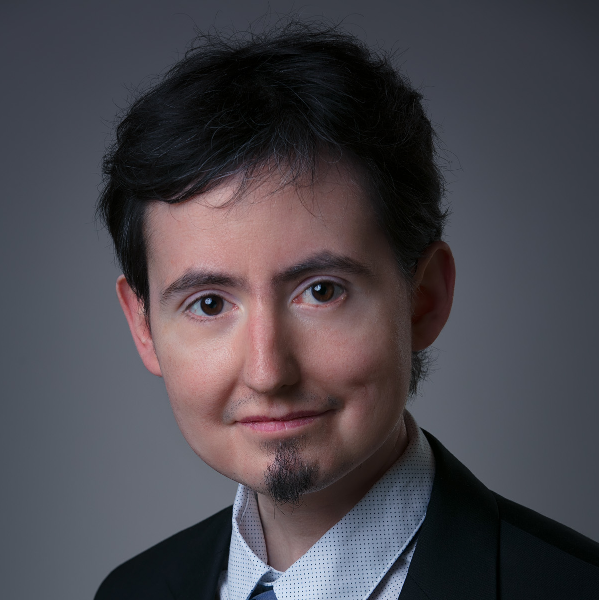
Alexander K. H. Weiss heads the Mitochondrial Metabolism and Cellular Senescence group at the Institute for Biomedical Aging Research, University of Innsbruck. His research examines how mitochondrial metabolism influences cellular senescence, stress responses, aging and cancer. A major focus is FAHD1, a mitochondrial enzyme involved in oxaloacetate metabolism and mitochondrial homeostasis. His group uses biochemical, molecular, cellular, structural and computational approaches to investigate the consequences of altered mitochondrial metabolism for cellular function and disease-associated phenotypes. Experimental models include human cell systems and Caenorhabditis elegans, with current work addressing mitochondrial quality control, redox regulation and metabolic dependencies in cancer cells.
Peter Stärkel, Cliniques Universitaires Saint Luc, BE
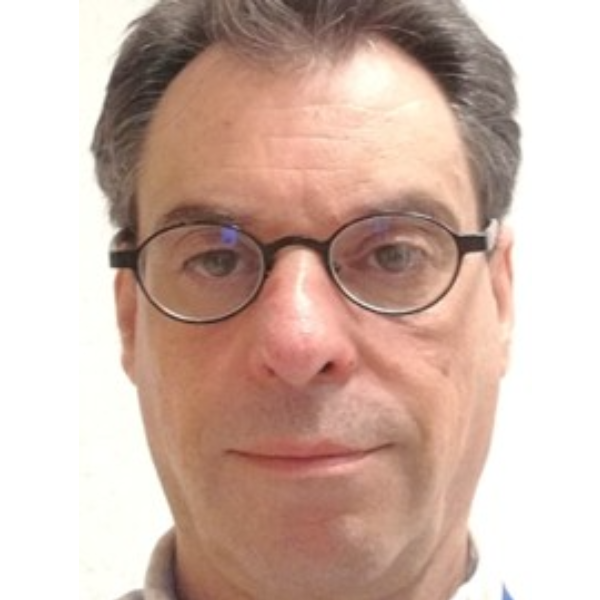
Dr Stärkel is full professor of hepato-gastroenterology at the Université Catholique de Louvain. He co-founded and is currently the head of the alcohol withdrawal unit at Saint Luc University hospital in Brussels which is a multidisciplinary clinical and research entity. He is also head of the hepato-gastroenterology research laboratory and vice-president of the clinical and experimental research institute of the university. His main clinical focus lies in hepatology and in particular in alcohol-associated liver disease. His principal research aims are to establish a bridge between preclinical animal models and translational/clinical research in human subjects suffering from alcohol-associated liver disease and alcohol dependence. Dr Stärkel is leading several research projects with particular focus on the gut-liver and the gut-brain axis in alcohol dependent patients. He established several national and international collaborations in the field of hepatology and alcohol research. As an active clinical and basic science researcher, he published more than 150 papers in high ranked peer-reviewed journals and contributed several chapters to books in the field of hepatology and alcohol research. He is a member of several national and international scientific societies and acts as an associate editor for international journals.
Stefan Schillberg, Fraunhofer IME, DE
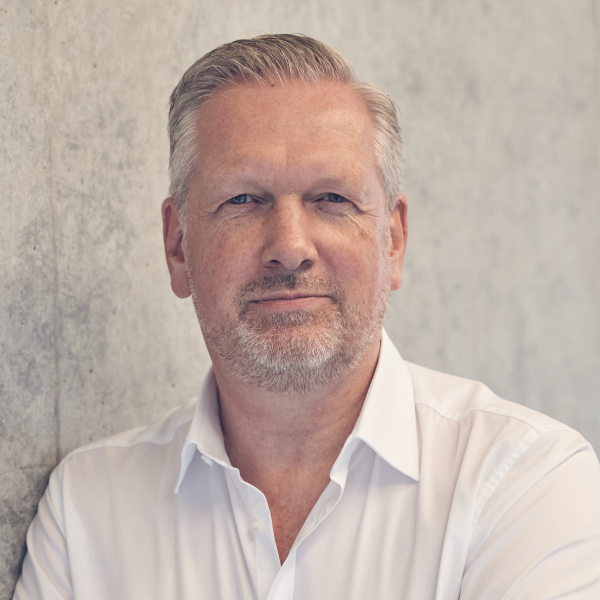
Prof. Dr. Stefan Schillberg is Director of the Fraunhofer Institute for Molecular Biology and Applied Ecology IME and heads the Institute of Molecular Biotechnology at RWTH Aachen University. He has more than 30 years of experience in biotechnology, with a focus on the production of recombinant proteins in various expression systems, the development of metabolic pathways, strategies for scaling biological processes, and contained environment agriculture. He is the author of more than 200 publications and patents. A key goal of his work is the translation of research and development into industrial applications. Several processes developed at his institute are already being used in industry, including plant stem cells for the cosmetics industry, a cell-free expression system based on tobacco cells, and a new concept for vertical farming for the cultivation of crops.
Bernd Boidol, Proxygen, AT
Dr. Bernd Boidol is CEO of Proxygen, a biotech company pioneering induced proximity therapeutics, advancing the field beyond first-generation molecular glue degraders to target previously undruggable proteins. He holds a PhD in Oncology and a background spanning Molecular Biology and Business Administration. Before joining Proxygen he worked as a management consultant helping life science companies scale new business models around emerging modalities.
As CEO of Proxygen, Dr. Boidol has secured multiple large-scale pharma partnerships with a cumulative deal value of more than $5B, most recently with Merck US. He has built the team behind Proxygen's proprietary discovery engine and advanced a pipeline targeting historically difficult-to-drug targets, including p300 in prostate and lung cancer and CDK12 in HER2+ brain metastases. Proxygen was named to Fierce Biotech's "Fierce 15" and is targeting clinical entry for its lead programs in the next 18 months.
Bernd Boidol, Proxygen, AT
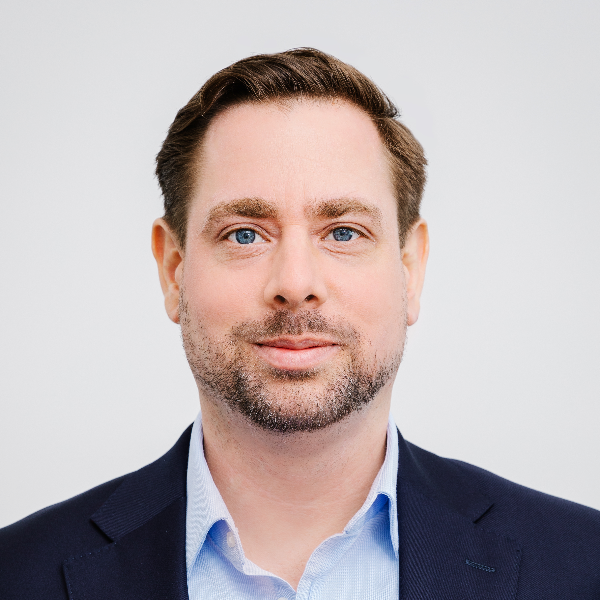
Dr. Bernd Boidol is CEO of Proxygen, a biotech company pioneering induced proximity therapeutics, advancing the field beyond first-generation molecular glue degraders to target previously undruggable proteins. He holds a PhD in Oncology and a background spanning Molecular Biology and Business Administration. Before joining Proxygen he worked as a management consultant helping life science companies scale new business models around emerging modalities.
As CEO of Proxygen, Dr. Boidol has secured multiple large-scale pharma partnerships with a cumulative deal value of more than $5B, most recently with Merck US. He has built the team behind Proxygen's proprietary discovery engine and advanced a pipeline targeting historically difficult-to-drug targets, including p300 in prostate and lung cancer and CDK12 in HER2+ brain metastases. Proxygen was named to Fierce Biotech's "Fierce 15" and is targeting clinical entry for its lead programs in the next 18 months.
Social Program
Social Program
MIXER - Monday, Sept. 14, 18:00-20:00
All FEMS Regional COLLAB participants are invited to our networking mixer on Monday, Sept 14, 18:00 – 20:00 in the Outdoor Courtyard of the UBB Building.
Wine & Science - Sept 15, 19:00-22:00

The ÖGMBT Annual Meeting is also famous for its “Wine & Science” reception (Tuesday evening, September 15), which is included in the registration fee. This welcome reception is held within the industry exhibition area. The exhibitors bring along wine for tasting with the participants and ÖGMBT takes care of cheese and desserts. There are many wine specialties to taste and we have already counted at one of the tastings about 120 different varieties - but don't worry, there are also non-alcoholic offers ;-) Just join and enjoy the networking!
Industry Exhibition
Industry Exhibition
The industry exhibition will showcase companies and institutions presenting their products & services for the life sciences community.


_transparent-1.png)


